

Anchorage Oil Change Intervals: What Alaska's Extreme Cold Does to Your Engine Oil
October 14, 2026
Alaska's cold weather changes how engine oil works. For Anchorage, AK, drivers, knowing this is one of the best things you can do for your car's health. Getting the right oil change on the right schedule matters more in Southcentral Alaska than almost anywhere else in the country.
Why Alaska's Cold Destroys Engine Oil Faster Than You Think
Cold weather is hard on engine oil. When temperatures drop below freezing, oil thickens and flows slower through your engine's passages. Think of it like honey. Warm honey pours easily, but cold honey barely moves. Your engine oil behaves the same way.
In Anchorage, AK, this is a real problem, not just a theory. Average winter temperatures can drop into the single digits or below zero. In areas like Hillside or along the Glenn Highway, it can get even colder. Frequent cold starts, short trips, and long periods in sub-zero cold put real stress on oil. That same oil would hold up fine in a milder climate.
Every time you start a cold engine, oil has to reach the metal parts fast to stop friction damage. Thick, cold oil moves slowly. In those first few seconds, engine wear is at its highest. More cold starts wear out oil faster, adding moisture and dirt more quickly than in warm weather.
What Change Interval Actually Makes Sense in Anchorage?
Anchorage drivers should not use a one-size-fits-all oil change schedule. Most vehicles using normal oil need shorter schedules in cold weather than the maker's warm-weather schedule. Cold starts, short trips, and stop-and-go driving on icy roads wear out oil faster.
If you mostly drive in town, making short trips across Midtown or running errands in South Anchorage, you may never let your oil fully warm up. Moisture and dirt that would otherwise burn off build up instead, shortening the oil's life. This "severe service" driving is exactly what Alaska winters create for most daily drivers.
If you use full synthetic oil, you can often go longer between changes. Synthetic oil stays smooth even in extreme cold, flowing better during cold starts. AMSOIL synthetic oil, for example, is made to flow well in sub-zero cold. Normal oil often struggles in that same cold. Always check your owner's manual and ask an ASE mechanic for advice that fits your car and how you drive.
Choosing the Right Viscosity Grade for Alaska Winters
Oil viscosity grade matters a lot in cold weather. The "W" in grades like 5W-30 or 0W-20 stands for "winter." The number before it shows how the oil flows when cold. A lower "W" number means the oil stays thinner at low temperatures, which helps protect your engine at startup.
For most Anchorage, AK, drivers, a 5W-30 or 0W-20 full synthetic works well in winter. The 0W-rated oils can help most during the coldest weeks between December and February. A few quick tips:
▸ Match your grade to both winter lows and your maker's approved range, since using the wrong grade can affect your warranty.
▸ Lower "W" numbers flow faster at startup. This cuts down the time metal parts rub together before oil reaches them.
▸ Full synthetic oils perform better in cold weather than normal or blended oils.
▸ If you switch to a winter grade in fall, switch back when temperatures rise in spring.
How Does Cold Weather Affect Oil Change Frequency?
Cold starts, short trips, and sub-zero cold make oil pick up moisture and dirt faster than in warm weather. In Anchorage, where it can stay below zero for weeks, most vehicles need a shorter schedule than the warm-weather baseline. Your mechanic can help pick the right schedule based on your oil type and how you drive.
Is Synthetic Oil Worth It for Anchorage Winters?
Synthetic oil stays smooth in extreme cold, flowing faster to engine parts at startup. For Alaska drivers facing sub-zero mornings, this faster flow can cut down wear in those first few seconds. Synthetic oil also holds up better against extra cold starts than normal oil.
When Should I Switch to a Winter Viscosity Grade?
Make the switch before Anchorage temperatures regularly drop below freezing, usually in October or early November. Waiting too long means your engine may already work harder than it should. Ask an ASE mechanic which grade is right for your car before you switch.
Protect Your Engine Before the Next Anchorage Winter
Anchorage winters can take a real toll on an engine that is not cared for. Staying ahead of that means choosing the right oil, the right grade, and a change schedule that fits real Alaska driving. The right oil change schedule and product may be the single best thing you can do to extend your engine's life in Anchorage, AK.
For help picking the right oil, visit our oil change service page
or contact our team
to book a visit. At Professional Automotive
, ASE mechanics who have helped Anchorage drivers for years are ready to help. Call (907) 562-2471
to get started.

Learn why an oil change technician in Anchorage, AK matters. Professional Automotive's ASE-certified team offers thorough service. Request a free quote today.
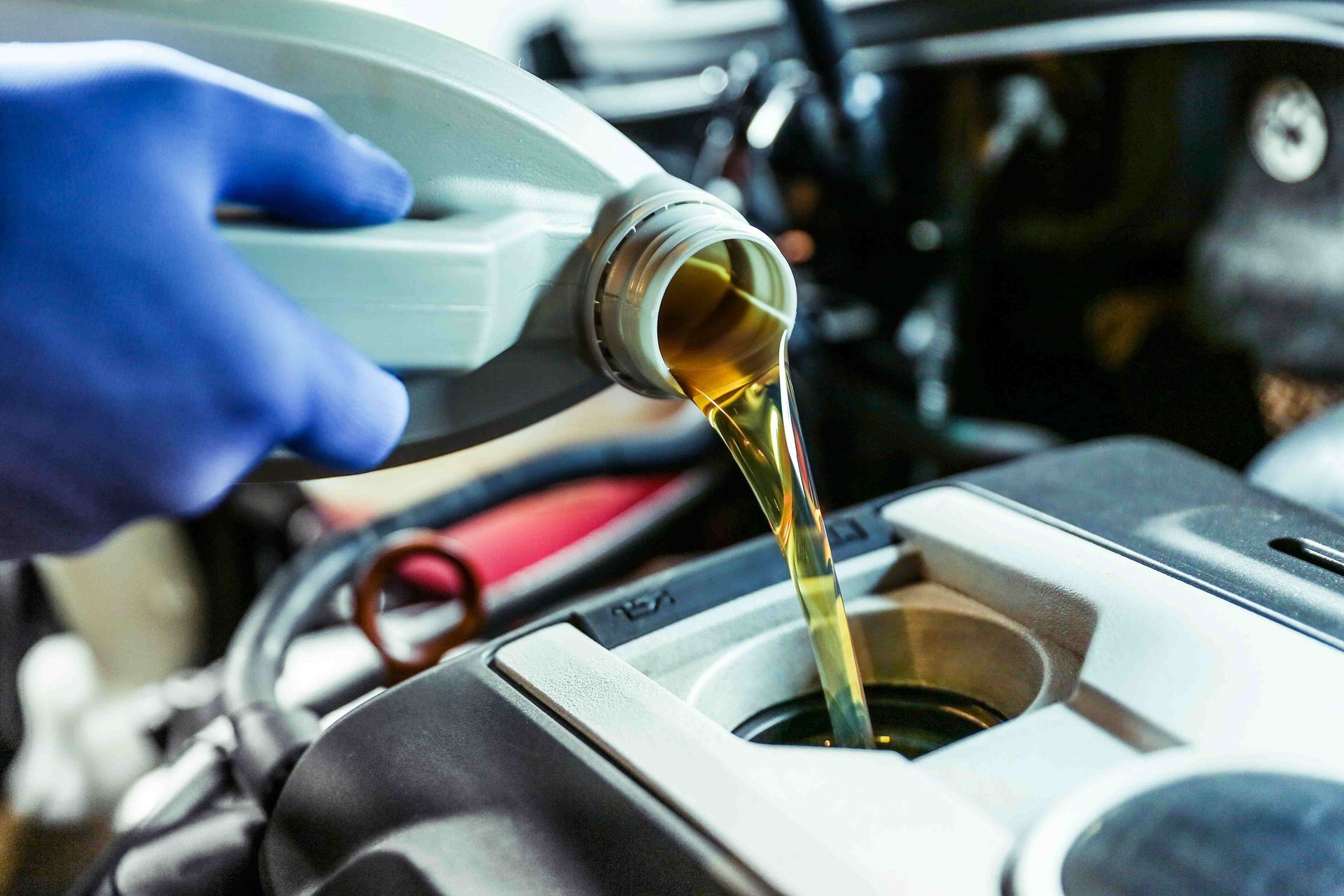
Learn which oil change is best for Anchorage winters. Professional Automotive's ASE-certified techs help you choose synthetic or conventional. Call today!

Know the right time for a tire changeover in Anchorage, AK. Professional Automotive offers ASE-certified service. Call to book before the rush.

Don't trust just anyone with your engine. Learn how to find the best oil change technicians in Anchorage, AK. Read expert tips from Professional Automotive.

Avoid oil change errors with an AMSOIL oil change technician in Anchorage, AK. Trust Professional Automotive. Call today at (907) 562-2471 for top service.

Call Professional Automotive, your trusted oil change technician in Anchorage, AK. Contact us today at (907) 562-2471 to schedule your service.

Get your oil change in Anchorage, AK, at Professional Automotive. Protect your engine—schedule your appointment today for service you can trust!

Discover key traits of the best tire change technician in Anchorage, AK. Learn why quality matters and click here for expert tips by Professional Automotive.

Discover when your car needs an oil change in Anchorage, AK. Click here for expert advice from Professional Automotive. Keep your car running smoothly!

Learn about the role of an oil change technician in Anchorage, AK, why oil changes matter, and their benefits. Call Professional Automotive at (907) 562-2471.